Reconstruction & Build-Back

Serving all of Lakeville · Open 24/7 · (952) 900-8500

Lakeville · Open 24/7

Call (952) 900-8500Request Service

Located in the heart of Lakeville, MN, homes here often face harsh winter conditions that can lead to significant structural damage. Particularly in areas like Savage, where many homes have been built to blend modern designs with traditional styles, ice dams and deep frost often pose challenges for building structures. When you call (952) 900-8500, United Water Restoration Group of Lakeville mobilizes skilled professionals to handle your reconstruction and build-back needs, ensuring your home regains its original splendor. Our team is dedicated to providing timely, quality reconstruction services that respect the architectural integrity of your home while ensuring compliance with local building codes.

  • Experienced in local building codes and permits
  • Single point of contact project management
  • Specialize in like-for-like material replacement
  • Professional drywall and paint matching
  • Comprehensive structural repair services
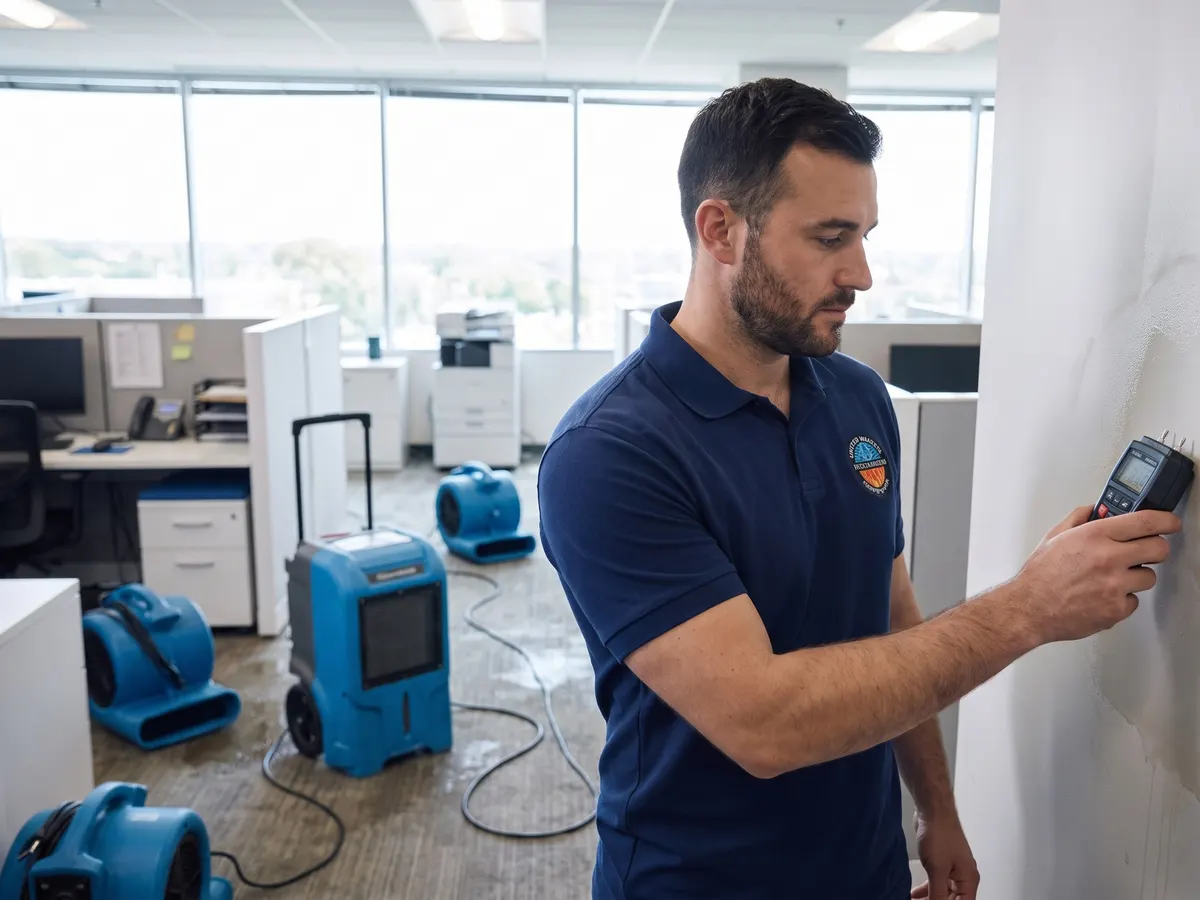
A technician checking a wall with a moisture meter, drying equipment behind him

Understanding Local Reconstruction Needs

Lakeville homes, many featuring full basements, are susceptible to the rigorous conditions brought on by Minnesota winters. Deep frost from December to March can contribute to structural issues like frozen or burst supply lines. When coupled with spring snowmelt, foundations are often stressed, making reconstruction services vital in maintaining the integrity of your property.

For residents in areas like Bloomington and Burnsville, where housing stock reflects a mix of old and newer builds, updating to modern standards while dealing with common local issues such as ice dam-induced roofing and ceiling damages is crucial. United Water Restoration Group of Lakeville specializes in these scenarios, ensuring your home is rebuilt to both endure the elements and remain compliant with local regulations.

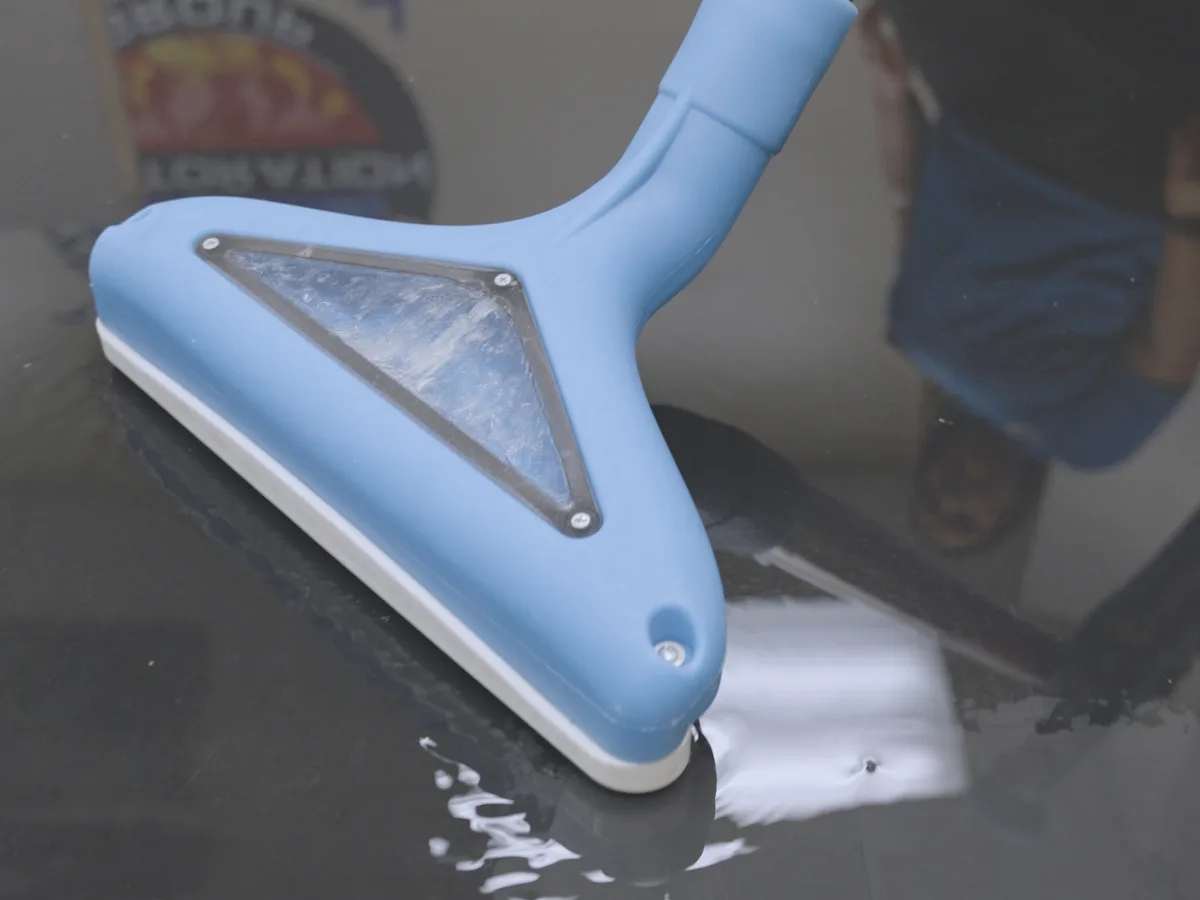
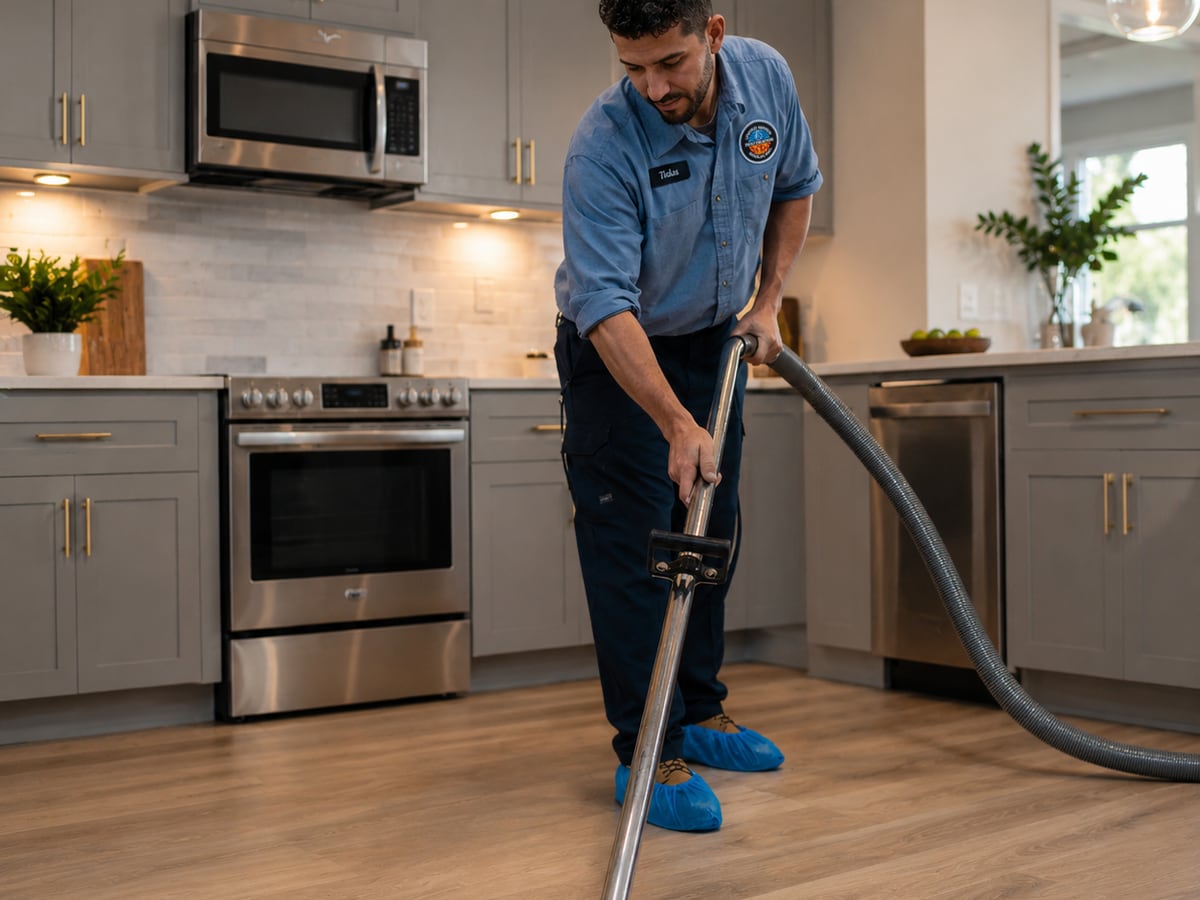
A carpet extraction wand pulling water out of a soaked floor

The Reconstruction Process

Our reconstruction process starts with a comprehensive assessment and estimate to determine the scope of work. We're committed to transparency, communicating clearly so you understand the steps required to restore your home. Whether it's structural framing repair or adjusting to meet new insulation R-values, our team guides you through each phase, keeping your comfort and timeline a priority.

Rebuilding your home extends beyond mere repairs; it's about restoring every layer of it to its original condition, if not better. Our team is adept at matching existing finishes and ensuring seamless transitions from one repair task to another, whether it’s hanging drywall or refinishing cabinetry. We engage actively in project management, simplifying what can otherwise become a complex process.

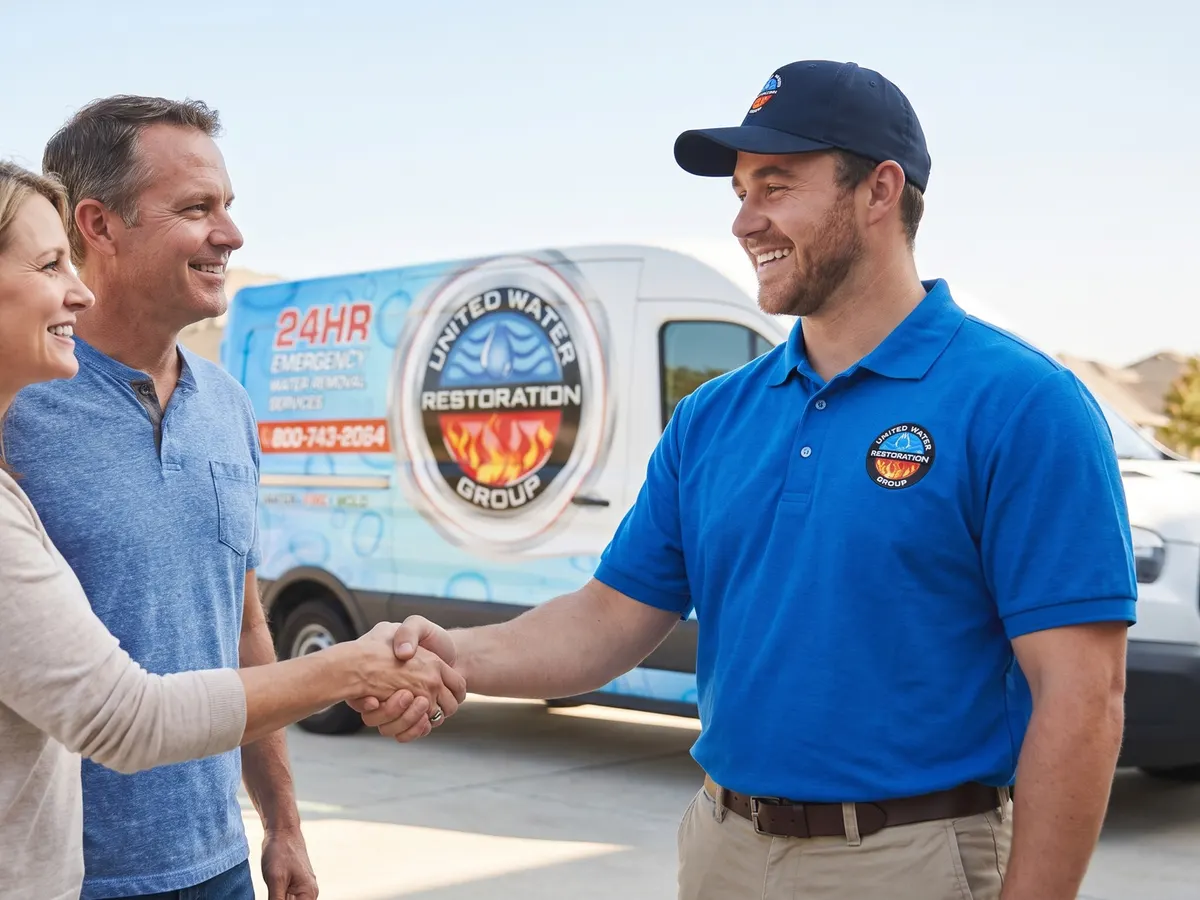
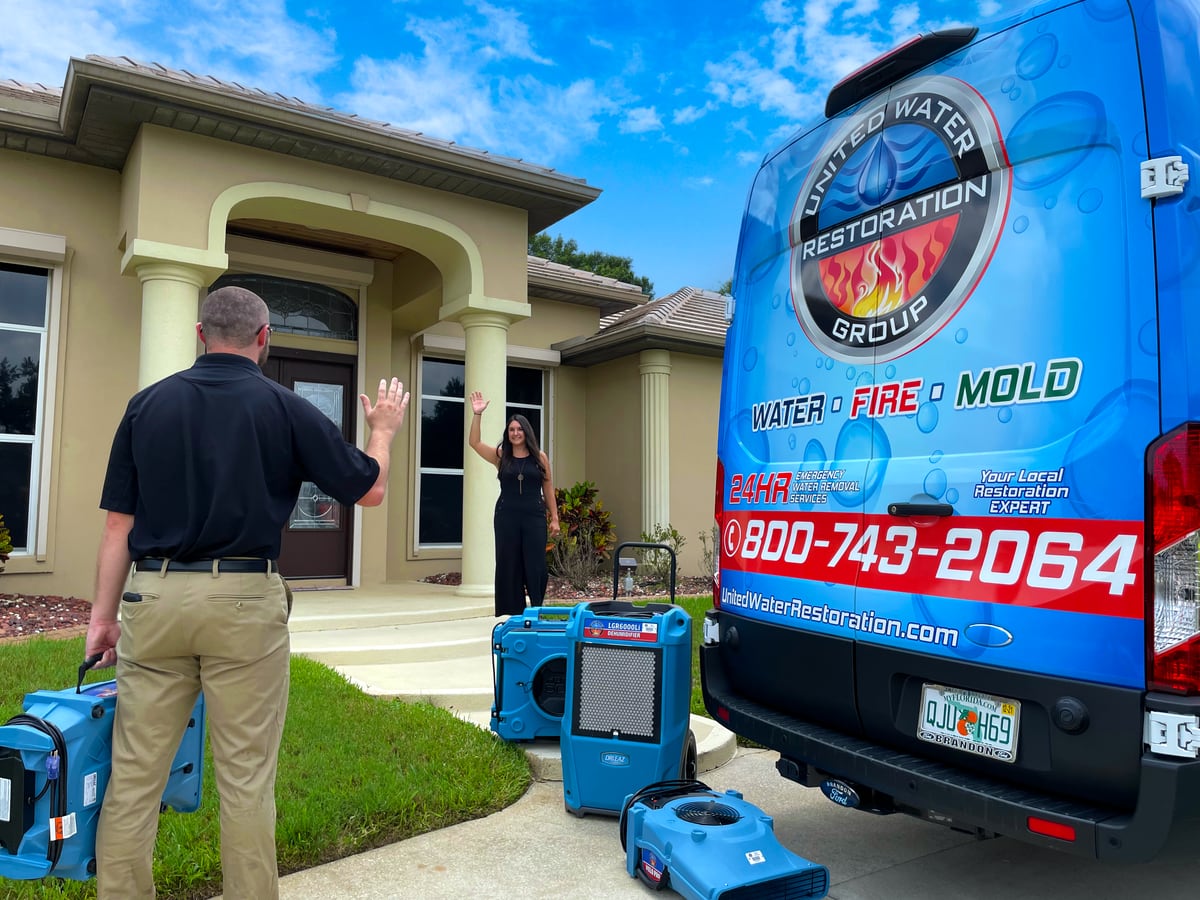
A UWRG technician shaking hands with homeowners beside the service van

Navigating Insurance and Building Compliance

Navigating the insurance landscape can be daunting, especially when dealing with structural repairs or complete home build-back. As your general contractor, United Water Restoration Group of Lakeville coordinates with your insurance provider to facilitate approvals and supplements necessary for proceeding with your rebuild.

Building permits and inspections can seem intricate, but they’re critical for ensuring your home adheres to current safety and construction standards. Our team secures required permits and ensures your project passes all inspections, whether it’s for subfloor and joist repair or bathroom rebuild. Engaging us ensures your peace of mind through quality work and adherence to all stipulations.

Common Causes We See in Lakeville

  • Ice dams causing interior water damage from melting, seeping under shingles
  • Frozen or burst pipes leading to flooding and structural compromise
  • Spring snowmelt resulting in basement flooding and water damage
  • Heavy summer storms pushing groundwater against foundations
  • Failed sump pump during a downpour causing basement flooding
  • Faulty roof decking from persistent ice and water exposure
  • Mold proliferation due to consistent moisture retention
  • Structural damage from prolonged exposure to high humidity conditions

While You Wait for the Crew

A few minutes of the right first moves can save thousands in damage. Here is what to do — and what not to do — before we arrive.

Do

  • Turn off water supply to minimize further damage
  • Remove wet items to prevent additional mold development
  • Document damage for insurance claims
  • Ensure all areas are safe to access before inspection

Don’t

  • Do not attempt to repair structural elements yourself
  • Avoid running HVAC systems in unsafe conditions
  • Do not delay in contacting a professional for an assessment

Crews are standing by in Lakeville right now.

Call (952) 900-8500

How It Works

Here Is What Happens When You Call

The hardest part of property damage is facing it on your own. You do not have to — from the first phone call, it is our job, not yours.

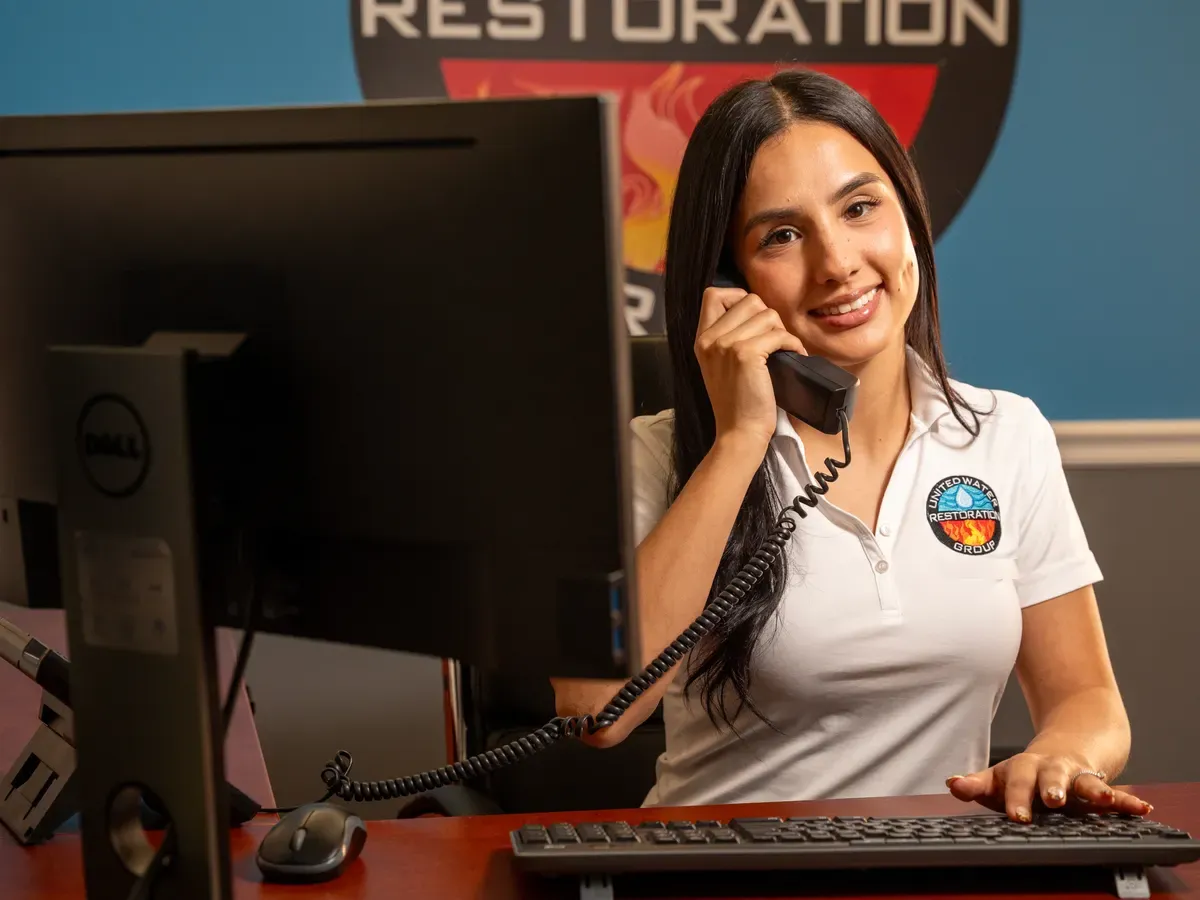
  1. A UWRG dispatcher answering an emergency call at her desk

    Step 01

    You call, a real person here answers

    Any hour, any day, your call is picked up by a real person on our Lakeville team — not a machine and not a national call center. We are locally owned and operated, so the people you talk to are the same people who show up at your door. From that moment, it stops being your problem to solve on your own.

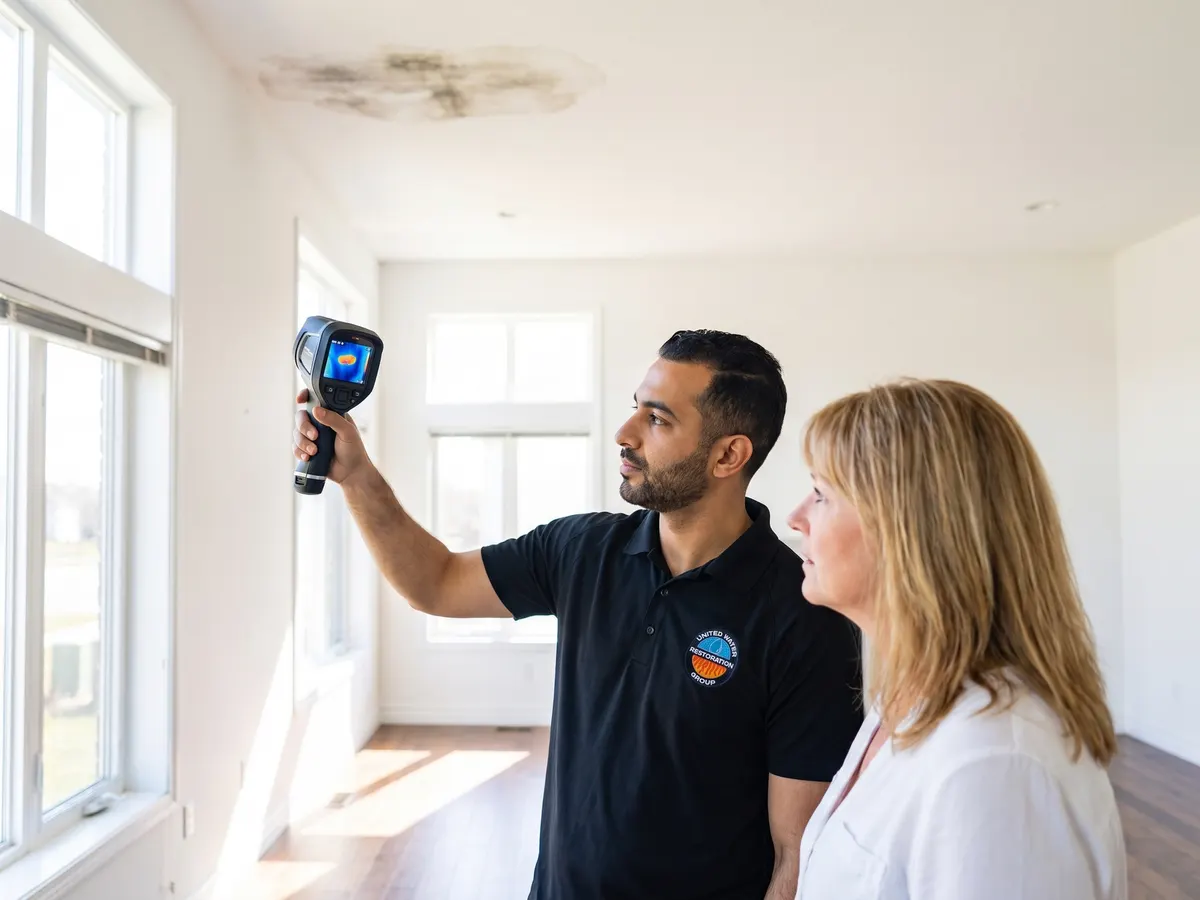
  2. A technician scanning a ceiling with a thermal camera while the homeowner watches

    Step 02

    Assessment and Estimate

    Our experts begin with a thorough inspection to determine the reconstruction needs, followed by a detailed estimate prioritizing transparency and understanding of the required scope of work.

  3. A technician drawing water out of a kitchen floor with an extraction wand

    Step 03

    Secure Necessary Permits

    We handle all aspects of securing the necessary building permits, ensuring that your project meets Lakeville's local building codes and proceeds without interruption.

  4. A technician carrying equipment back to the van, waving to the homeowner at her door

    Step 04

    Structural Restoration

    We focus on fundamental repairs like structural framing and subfloor replacement. Each phase is performed by licensed professionals to ensure quality and durability.

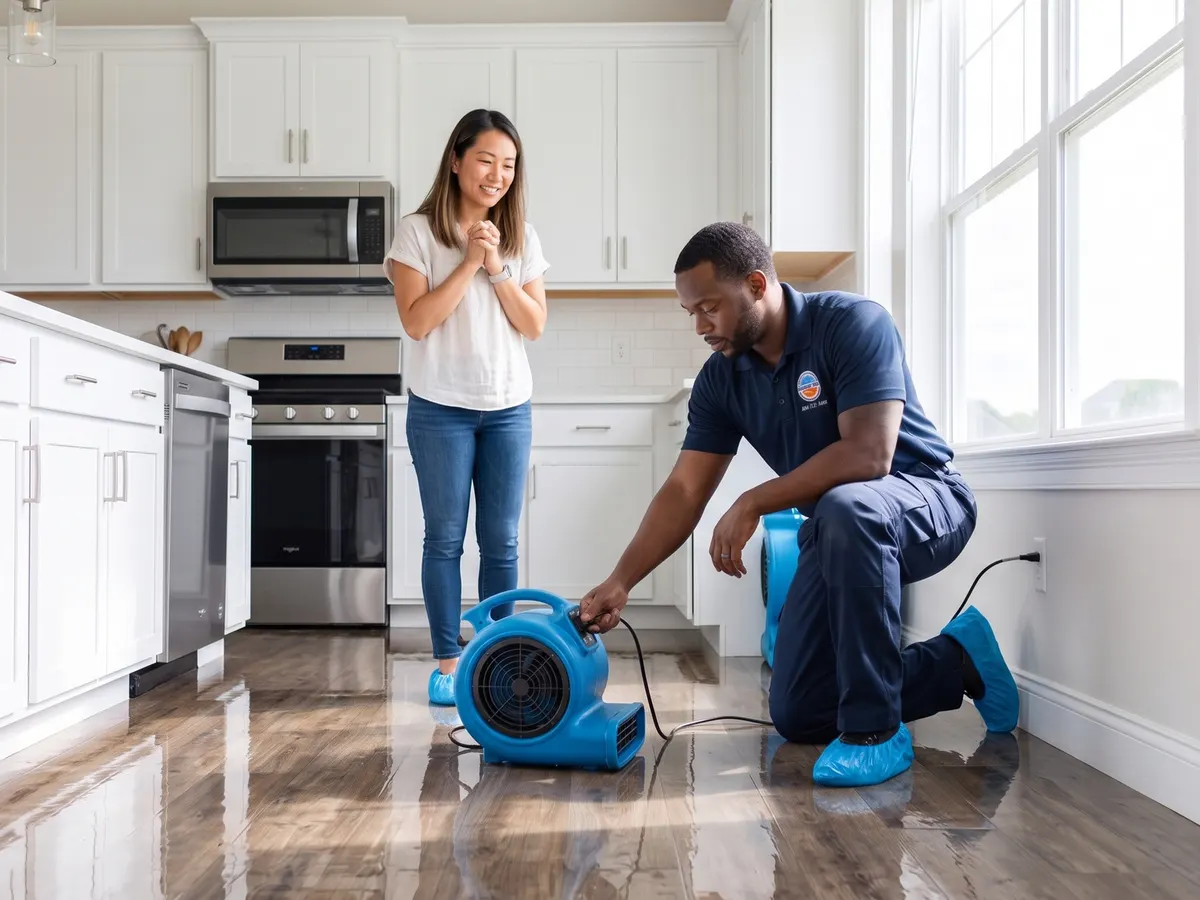
  5. Two technicians setting up drying equipment in a kitchen

    Step 05

    Finishing Touches

    This involves matching drywall textures, paint colors, and flooring transitions to ensure your home looks as original and whole as possible, blending new repairs with existing structures.

  6. A homeowner smiling in her dry, finished kitchen as the technician packs up the last air mover

    Step 06

    Final Walkthrough and Approval

    A comprehensive walkthrough wraps up the project, addressing any concerns and confirming your satisfaction. We'll provide assurances that all work complies with your insurance and local regulations.

We Work With Your Insurance

Restoration is stressful enough without fighting through a claim alone. Our crews document everything — photos, moisture readings, and a clear scope of work — in the format adjusters expect, and we communicate with your insurance company throughout the job. You always know what is happening and what your policy covers before work begins.

AllstateState FarmLiberty MutualProgressiveNationwideFarmers InsuranceAmerican Family InsuranceChubbUniversal Property & CasualtyHeritage Insurance
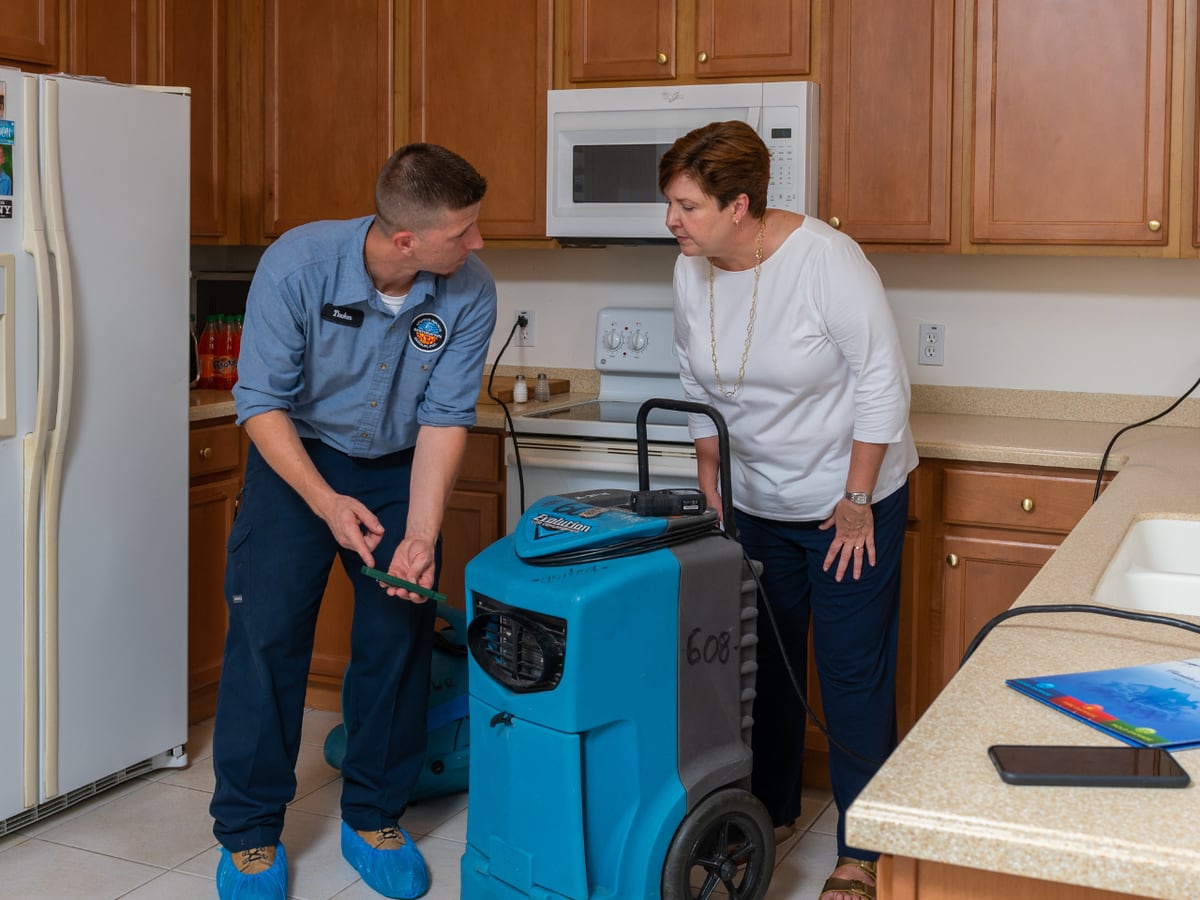
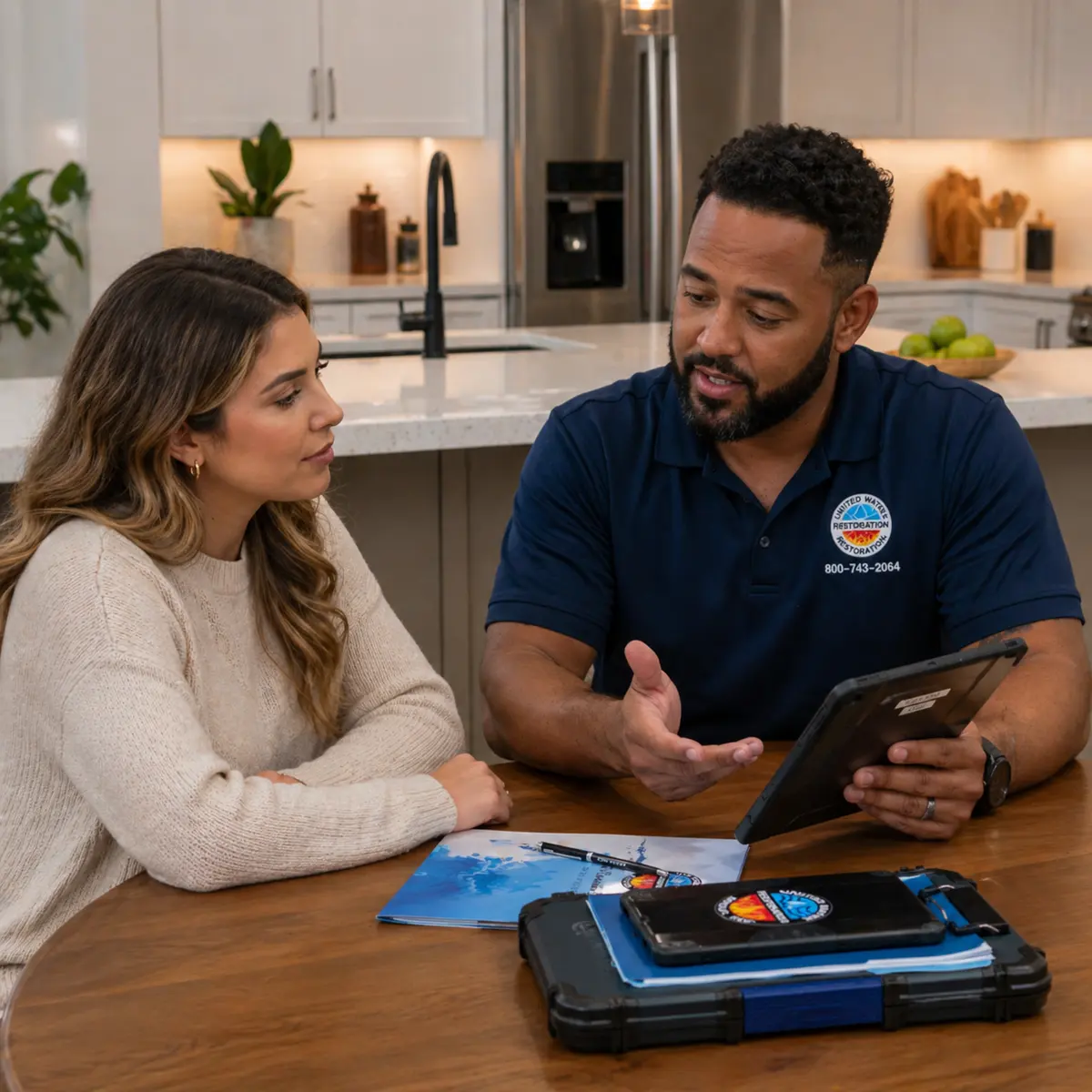
Technician walking a homeowner through the insurance scope on a tablet

What This Service Covers

Structural framing repairDrywall hanging and finishingTexture and paint matchingSubfloor and joist repairRoof repair and decking replacementCabinetry and countertop installationTrim carpentry and finishesInsulation replacement for optimal R-valueFlooring installation and transitionsGeneral contracting and project management

Reconstruction after water or structural damage can feel overwhelming, particularly when your home reflects the unique charm of areas like Apple Valley or Bloomington. United Water Restoration Group of Lakeville provides a seamless, expert-guided reconstruction experience, ensuring your property matches its original layout while adhering to the latest building codes. Call (952) 900-8500 to restore your home efficiently and professionally, with a commitment to your peace of mind.

Frequently Asked Questions

Do you rebuild and repair afterward, or only dry it out?

Both halves are one job. The first is mitigation — extraction, removing material that cannot be dried, and documented drying against a dry standard — and ANSI/IICRC S500 ties what has to come out to the water category, one through three. The second is reconstruction: framing repair, insulation, drywall, trim, paint and flooring put back. How much of each your loss needs depends on what the water reached, so that scope is written after the inspection.

Do you repair and repaint water-damaged drywall and ceilings?

Wet gypsum board and the insulation behind it usually come out rather than dry in place, and the cut is typically carried 12 to 24 inches above the visible water line because the material wicks upward past the stain. That put-back is part of the job: hanging, taping, three coats of compound with drying time between them, texture and paint. On homes built before 1978, the EPA's Renovation, Repair and Painting Rule governs how painted surfaces are disturbed.

Can one estimate cover both the cleanup and the rebuild, and what does the repair cost?

One inspection can produce both scopes, and carriers generally prefer it that way — mitigation and repair as line items in one claim file, priced from the Xactimate database the adjuster uses. No one should quote the repair figure sight unseen. It firms up when materials reach the dry standard ANSI/IICRC S500 requires and hidden damage is open to view, commonly three to five days of drying, though yours may need more or less. Any charge for the inspection is stated on the call.

Do you replace the flooring and subfloor, or do I hire a flooring contractor?

Subfloor, underlayment and finished flooring are all part of the repair scope, and so is the framing underneath when a joist is wet. Replacement goes back under the National Wood Flooring Association's installation guidance, which is why new wood cannot go down until the subfloor and the flooring are no more than two to four percentage points apart in moisture content. Whether a floor is dried in place or replaced depends on the material and the water category.

Does your own crew do the rebuild, or is the reconstruction subcontracted?

The rebuild usually stays on one contract, with the same project manager who ran the drying and a single claim file, though that varies by market. Which trades are in-house and which are outside trade partners varies too — drywall, paint, tile, cabinetry and flooring are not always the same crew, so ask on the call who will be in your home. Structural and electrical put-back is pulled under permit and inspected by the local building department, usually under the International Residential Code.

Will insurance pay for the rebuild, and how do repairs get approved?

Coverage for the repair usually rides on the same claim as the mitigation, and approval runs off the written scope rather than a lump sum: the adjuster reviews line items and the moisture logs ANSI/IICRC S500 calls for, then approves or asks for a supplement when something hidden turns up. Replacement-cost policies typically pay in two steps, actual cash value first and the held-back depreciation after the work is finished and invoiced. Like-kind-and-quality wording varies by policy, so read yours.

Can you repair just the damaged section, or does the whole floor or ceiling have to be replaced?

Patch repairs are common and often the right call. What forces a bigger replacement is the water itself: ANSI/IICRC S500 sorts water into Categories 1 through 3, and Category 3 means porous material in the wet zone comes out, however small that zone is. Assembly matters too — a single ceiling panel in a grid swaps out, while taped drywall and sheet goods have no seam to stop at. Matching is the other limit, since tile and flooring run in dye lots.

How long does the rebuild take once the drying is finished?

The rebuild cannot start until the structure meets the dry standard ANSI/IICRC S500 requires, because closing a wall over wet framing traps the moisture. After that, a single wet room — drywall hung, taped, three coats of compound with drying time between each, then paint and flooring — commonly runs a couple of weeks, while a loss across several rooms, cabinetry on order or a permit inspection runs longer. Your schedule depends on what the scope turns out to be.

Do you handle the finish work too — cabinets, vanities, baseboards, tile and grout?

Cabinets, vanities, countertops, baseboards, tile and grout are part of the put-back, and they are usually the last trades in because they go over finished surfaces. Substrate condition governs the tile: ANSI A108 allows no more than 1/8 inch of variation in 10 feet for tile with an edge 15 inches or longer, so a repaired floor gets flattened before setting. Which items are replaced and which are refinished depends on the material and how wet it got.

If only part of the floor got wet, is the rest of the continuous floor replaced so it matches?

Carriers generally pay to replace what the moisture readings document as wet, and whether the rest of an undamaged run comes with it turns on the policy's like-kind-and-quality wording and on whether the flooring continues through a doorway without a transition. Put that question to the adjuster in writing, with photographs, before the repair is approved. Most policies also include an appraisal provision — two appraisers and an umpire — for disputes over the amount of loss, and your state insurance department takes complaints.

Request Service Online

Tell us what happened and we will call you right back. For emergencies, calling (952) 900-8500 is always fastest — we answer 24/7.

A United Water Restoration Group of Lakeville van heading out on an emergency call at sunset

In Case of Property Damage, Call:

952-900-8500

We answer around the clock and dispatch from right here in Prior Lake.

IICRC Certified · Water · Fire · Mold · 24/7 Emergency Response